
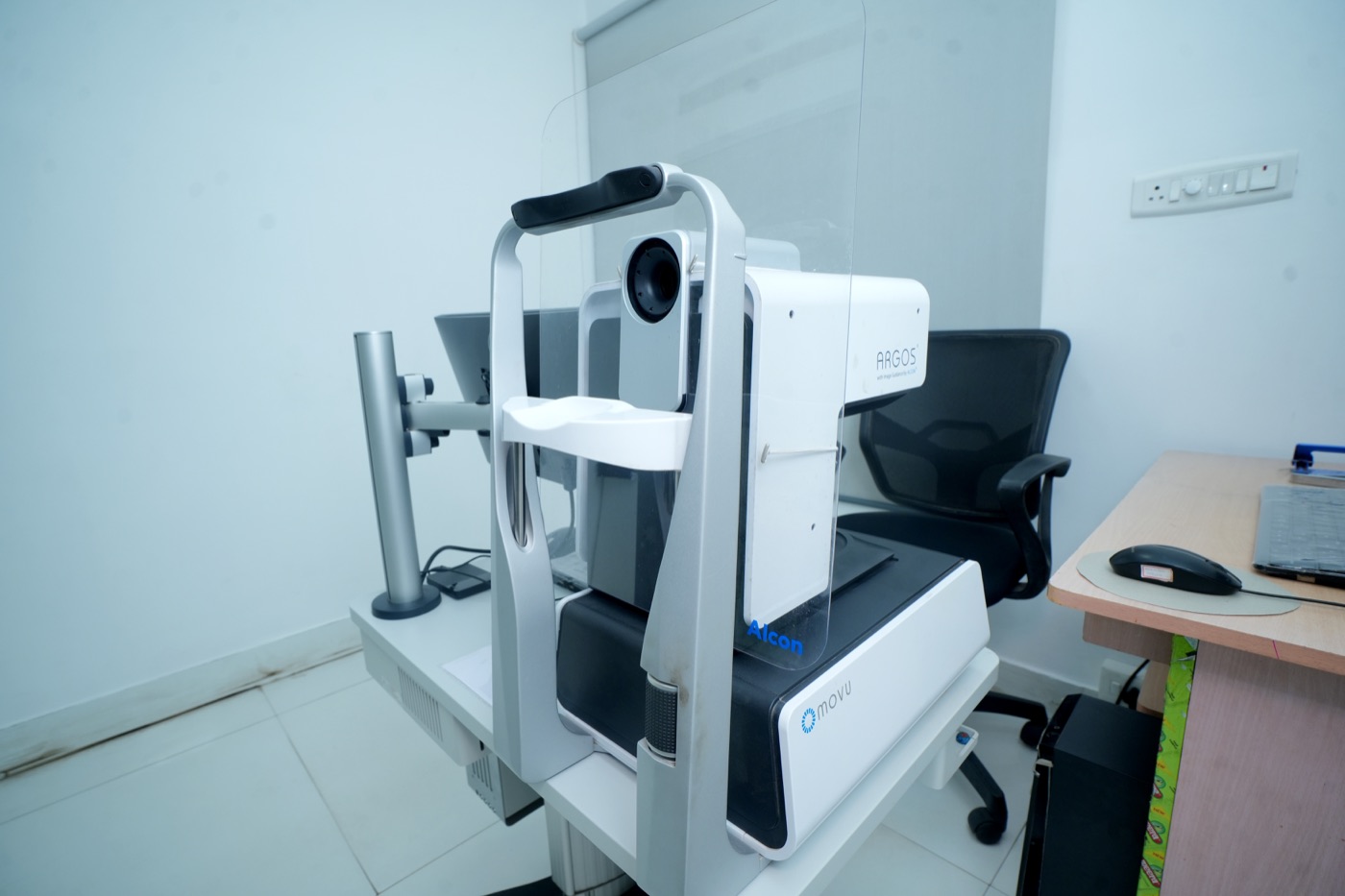
What we treat
Our specialties
Comprehensive care across every major field of ophthalmology.
Major Eye Specialties
The core departments every patient asks about
 Most requested
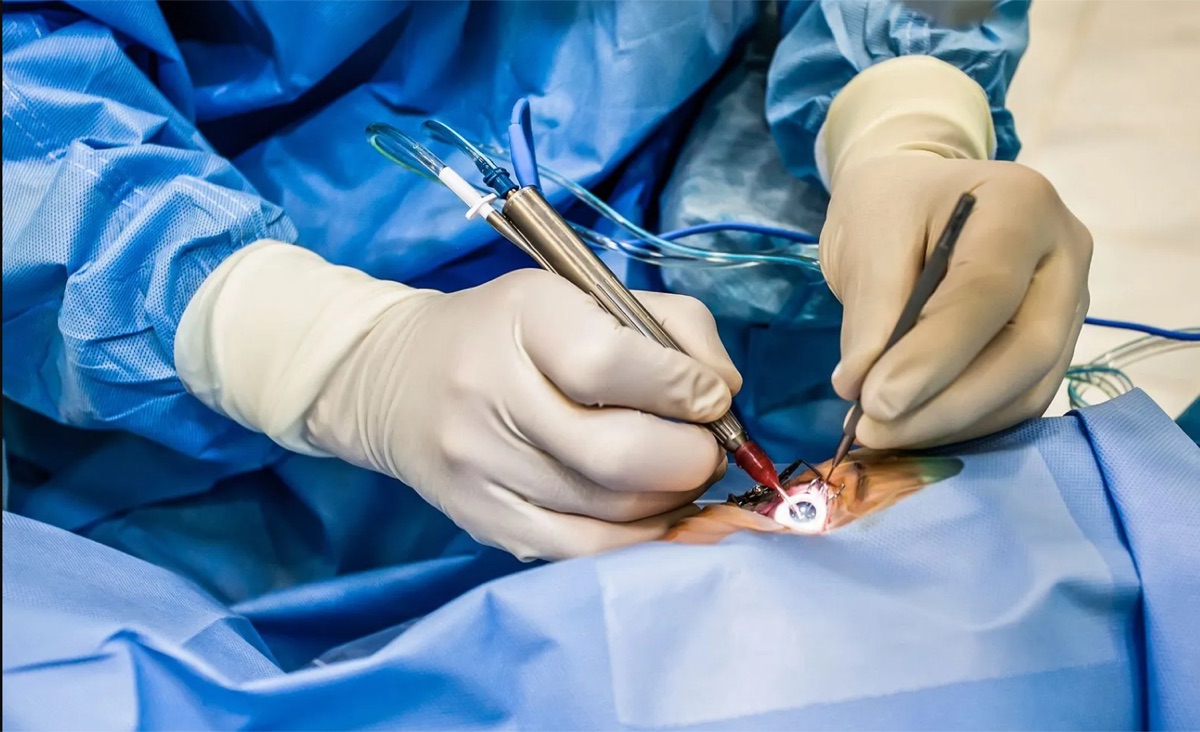
Cataract is a clouding of the eye's natural lens that develops gradually, most often with age. It's one of the leading causes of treatable blindness…
- Age-related (senile) cataract — the most common form, typically after age 50–60
- Congenital and developmental cataract in infants and children
 Glaucoma
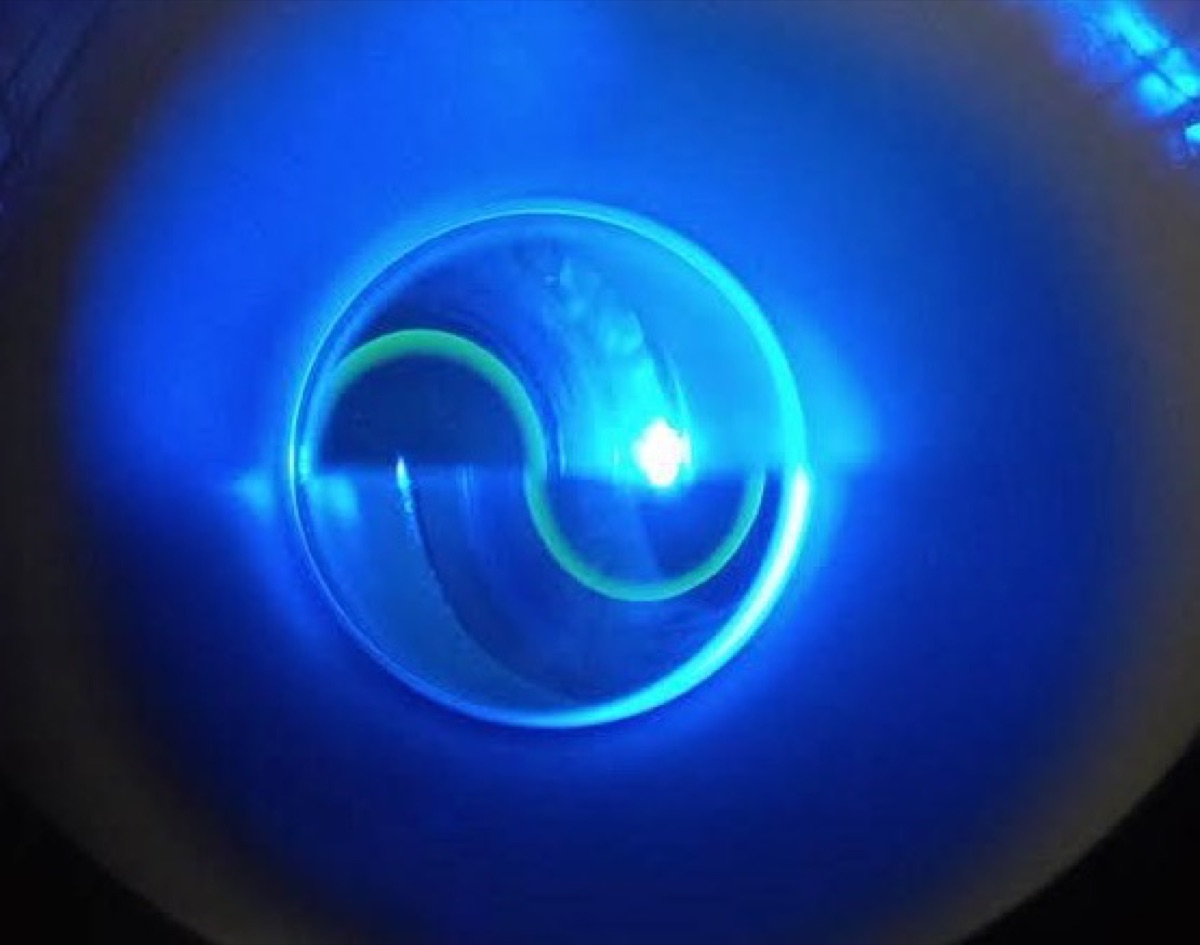
Glaucoma is a group of eye conditions that damage the optic nerve, usually because fluid pressure inside the eye rises too high. It's a leading cause…
- Primary open-angle glaucoma (POAG) — the most common form, develops slowly and painlessly
- Primary angle-closure glaucoma — the drainage angle is blocked; can be chronic or a sudden emergency
 Vitreo-Retina
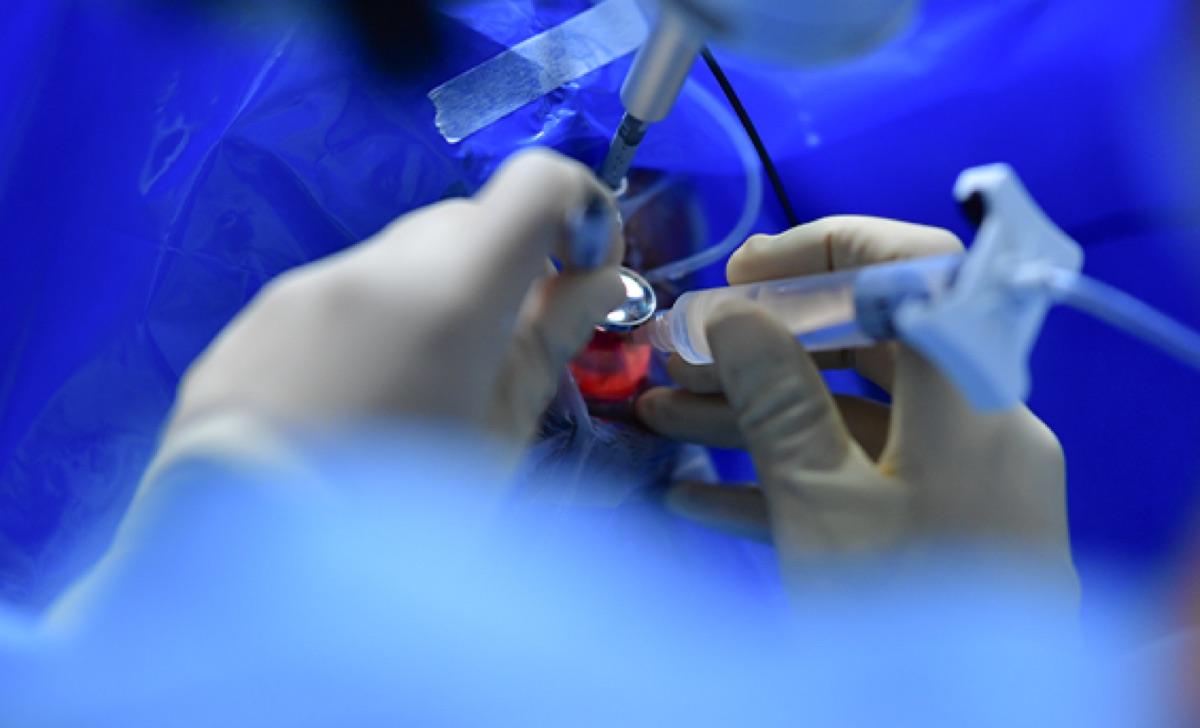
Our Vitreo-Retina service diagnoses and treats disorders of the retina, macula, and vitreous gel — the structures at the back of the eye responsible…
- Diabetic retinopathy and diabetic macular edema
- Age-related macular degeneration (ARMD) — dry and wet forms
The cornea is the transparent, dome-shaped surface at the front of the eye. Our Cornea service manages corneal disease, from infections and injuries to corneal transplantation when needed.
- Keratoconus and other forms of corneal thinning
- Corneal ulcers and infectious keratitis (bacterial, viral, or fungal)
 Refractive Surgery
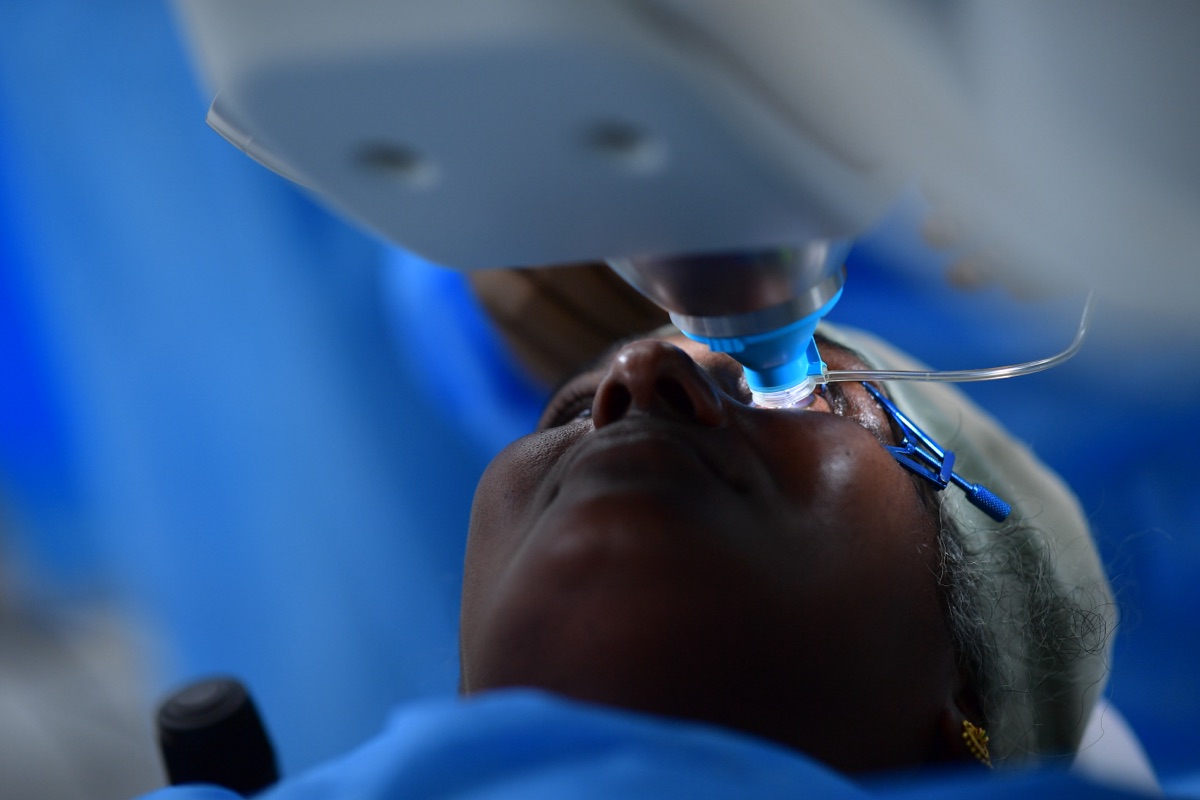
Refractive surgery reduces dependence on spectacles for short sight, long sight, and astigmatism. Our Refractive Surgery service uses a detailed…
- Refractive errors — myopia, hyperopia, and astigmatism
- Experienced specialist care
Specialized & Pediatric Care
Disease-specific and age-specific specialty clinics
Children's eyes are still developing, and problems missed in the early years can affect vision for life. Our Pediatric Ophthalmology team diagnoses…
- Squint (strabismus) — eyes that do not point in the same direction
- Amblyopia ("lazy eye") — reduced vision in one eye from poor early development
 Uveitis
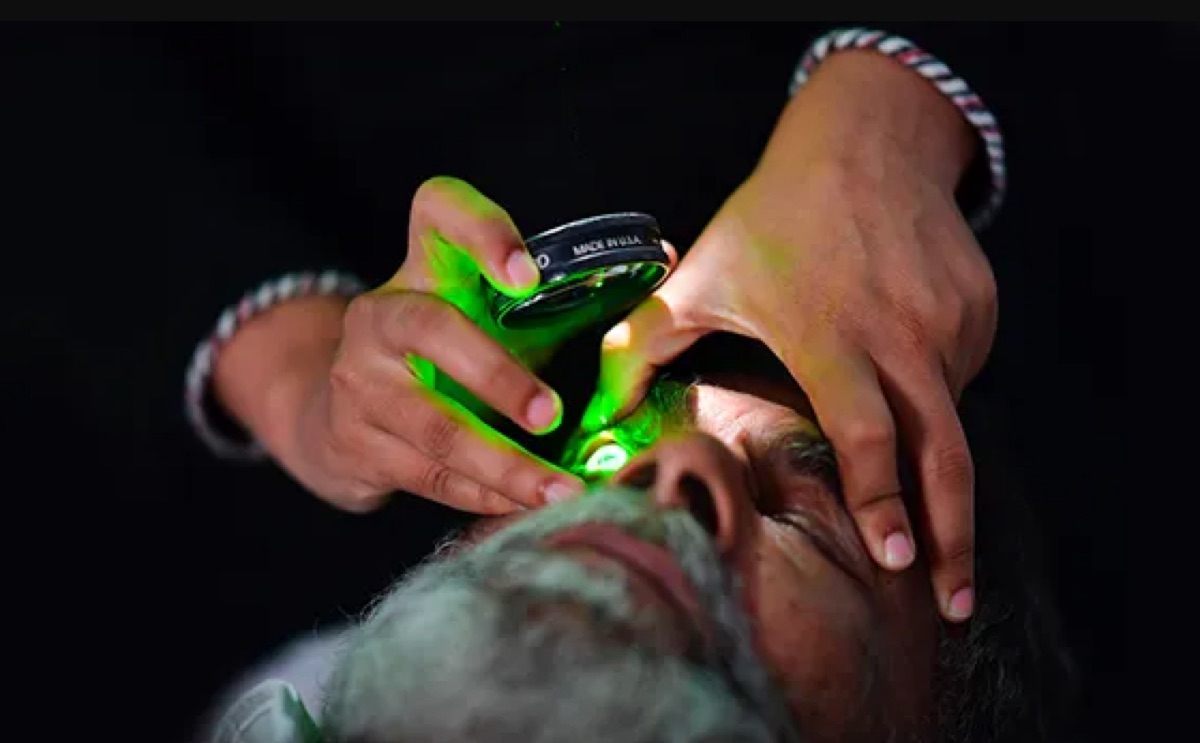
Uveitis is inflammation of the uvea — the middle layer of the eye including the iris, ciliary body, and choroid. It can strike suddenly or develop…
- Anterior uveitis (iritis) — the most common form, quick-onset with pain, redness, light sensitivity
- Intermediate uveitis — centred in the vitreous, causing floaters and blurred vision
 Orbit
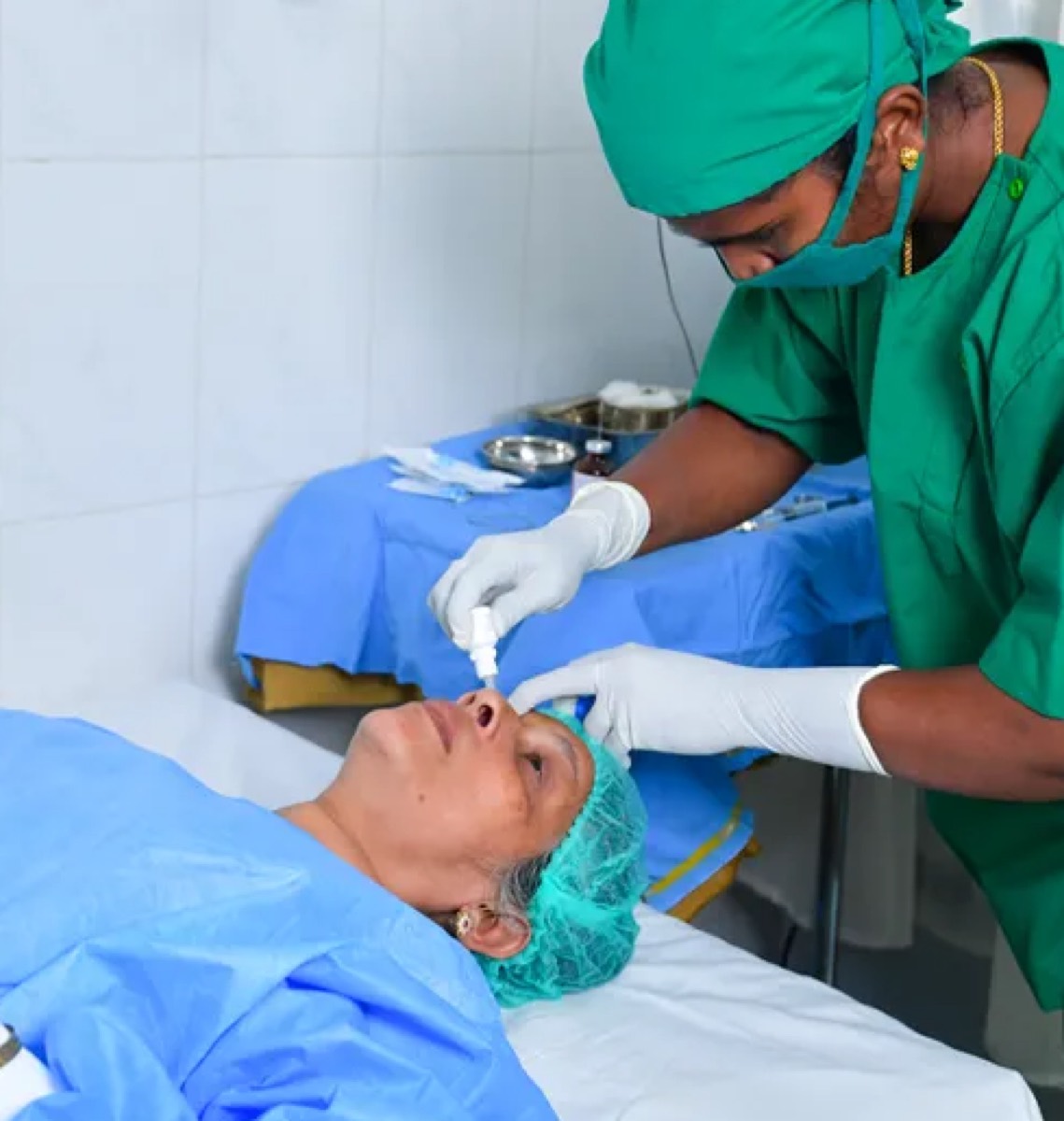
OrbitThe orbit is the bony eye socket that houses and protects the eyeball, its muscles, nerves, and blood vessels. Our Orbit service treats swelling,…
- Thyroid eye disease — autoimmune swelling around the eye, often linked to overactive thyroid; can cause bulging, eyelid retraction, double vision, and optic nerve pressure
- Orbital tumours and orbital swelling
Neuro-ophthalmology deals with vision and eye-movement problems that stem from the nervous system rather than the eye itself — from an inflamed optic…
- Optic neuritis — inflammation of the optic nerve, sometimes an early MS sign
- Double vision (diplopia) from nerve problems, including cranial nerve palsy or myasthenia gravis
Vision Support & Diagnostic Clinics
Fitting, rehabilitation, and diagnostic testing services
 Contact Lens Clinic
Contact lenses offer an alternative to spectacles, and options spectacles simply can't provide — such as correcting an irregularly shaped cornea.…
- Routine refractive error where lenses are preferred over spectacles
- Astigmatism requiring toric lens correction
 Low Vision Aid
Low vision is different from blindness — it describes vision loss, from conditions like advanced diabetic retinopathy, macular degeneration, or…
- Advanced diabetic retinopathy
- Age-related macular degeneration
 Electrophysiology
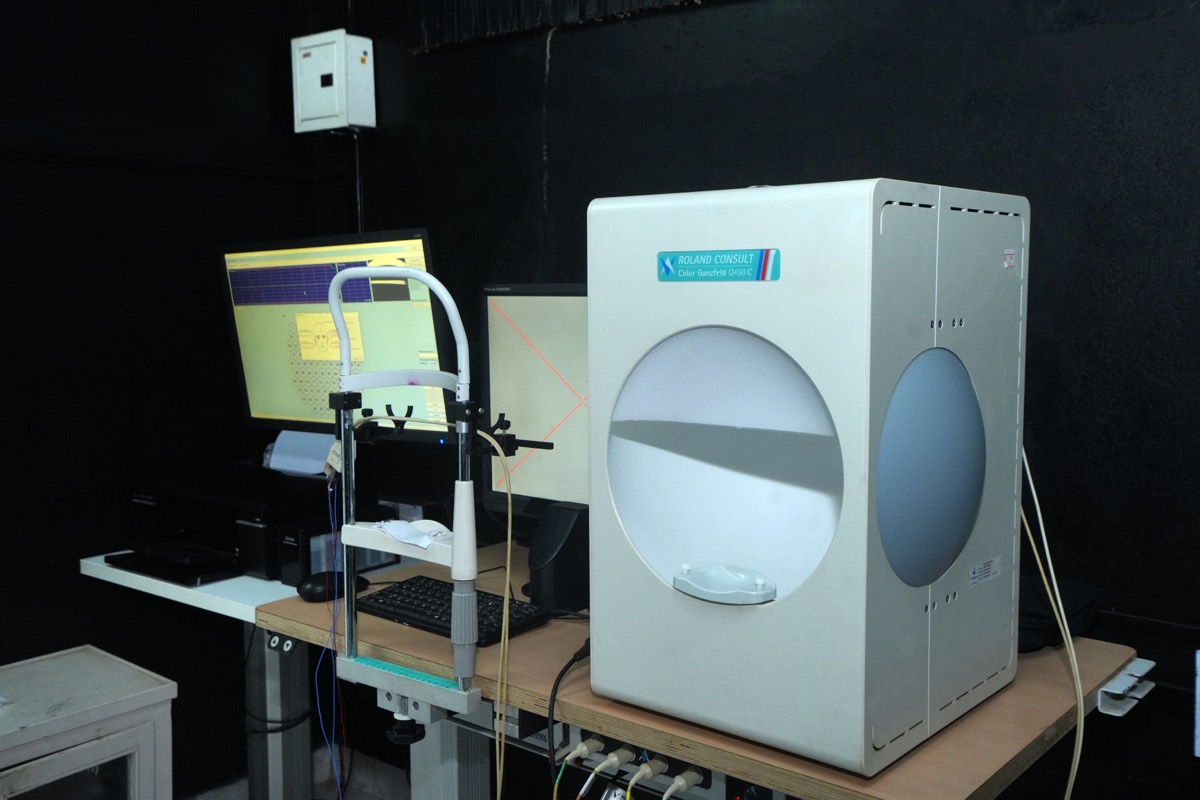
Not every cause of vision loss can be seen just by looking at the eye. Our electrophysiology unit measures the tiny electrical signals the retina and…
- Inherited and degenerative retinal diseases (e.g. retinitis pigmentosa)
- Unexplained vision loss in infants and young children
Losing an eye — through injury, disease, or a condition present from birth — is significant, and how you look and feel afterward matters. An ocular…
- Eye loss from severe trauma or injury
- Surgical eye removal due to disease, such as an aggressive tumour or a severely damaged, painful eye
General & Advanced Care
Everyday eye care and surgical support
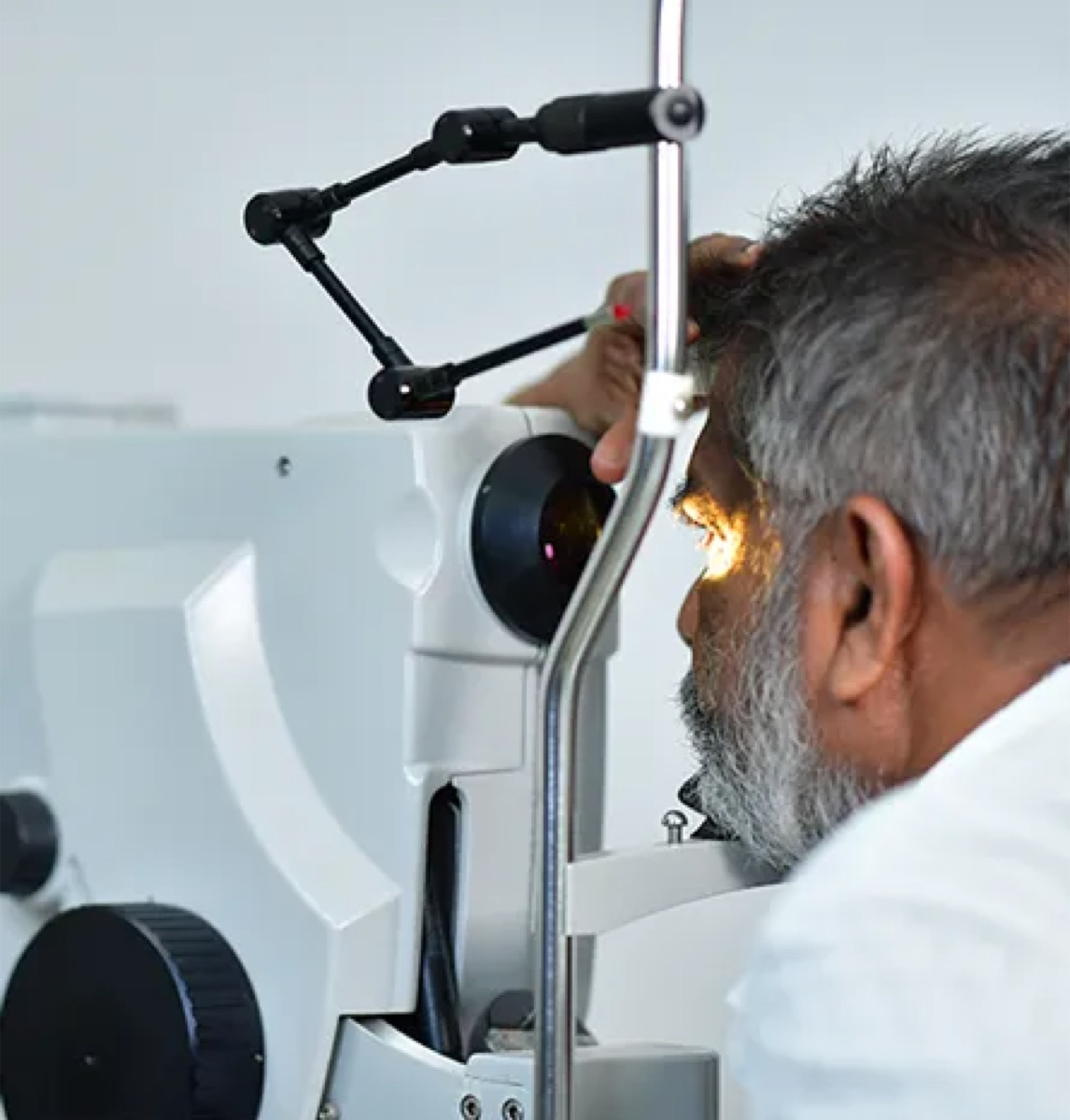 Comprehensive Ophthalmology
Comprehensive Ophthalmology is the starting point for general eye care — a full check-up of your vision and eye health, not just a glasses prescription.
- Refractive errors — myopia, hyperopia, astigmatism, and presbyopia
- Conjunctivitis and other causes of "red eye" (viral, bacterial, or allergic)
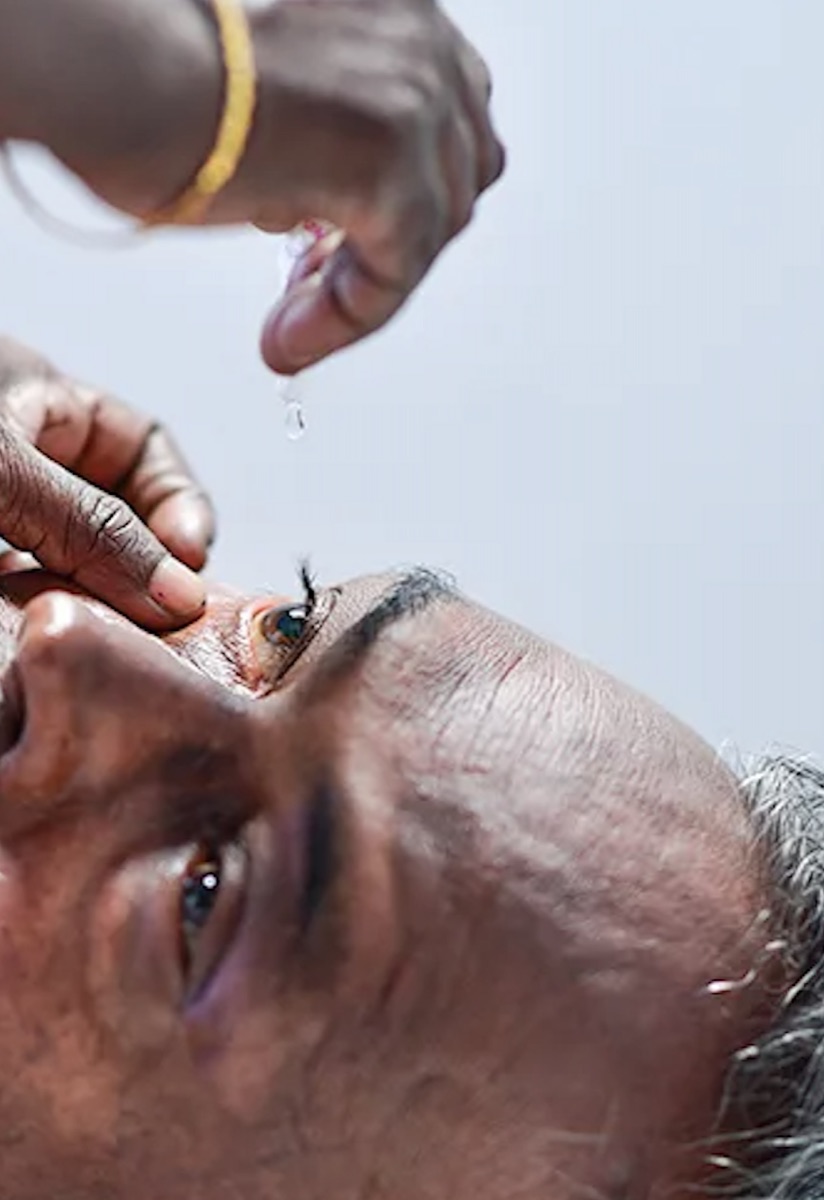 Ocular Anesthesiology
Ocular anesthesiology keeps you comfortable, still, and safe while an eye surgeon operates. It's not a condition to be treated but a support service…
- Topical anesthesia — numbing eye drops, the standard for straightforward cataract surgery in suitable patients
- Local (regional) anesthesia — a small injection around the eye when it needs to be kept completely still